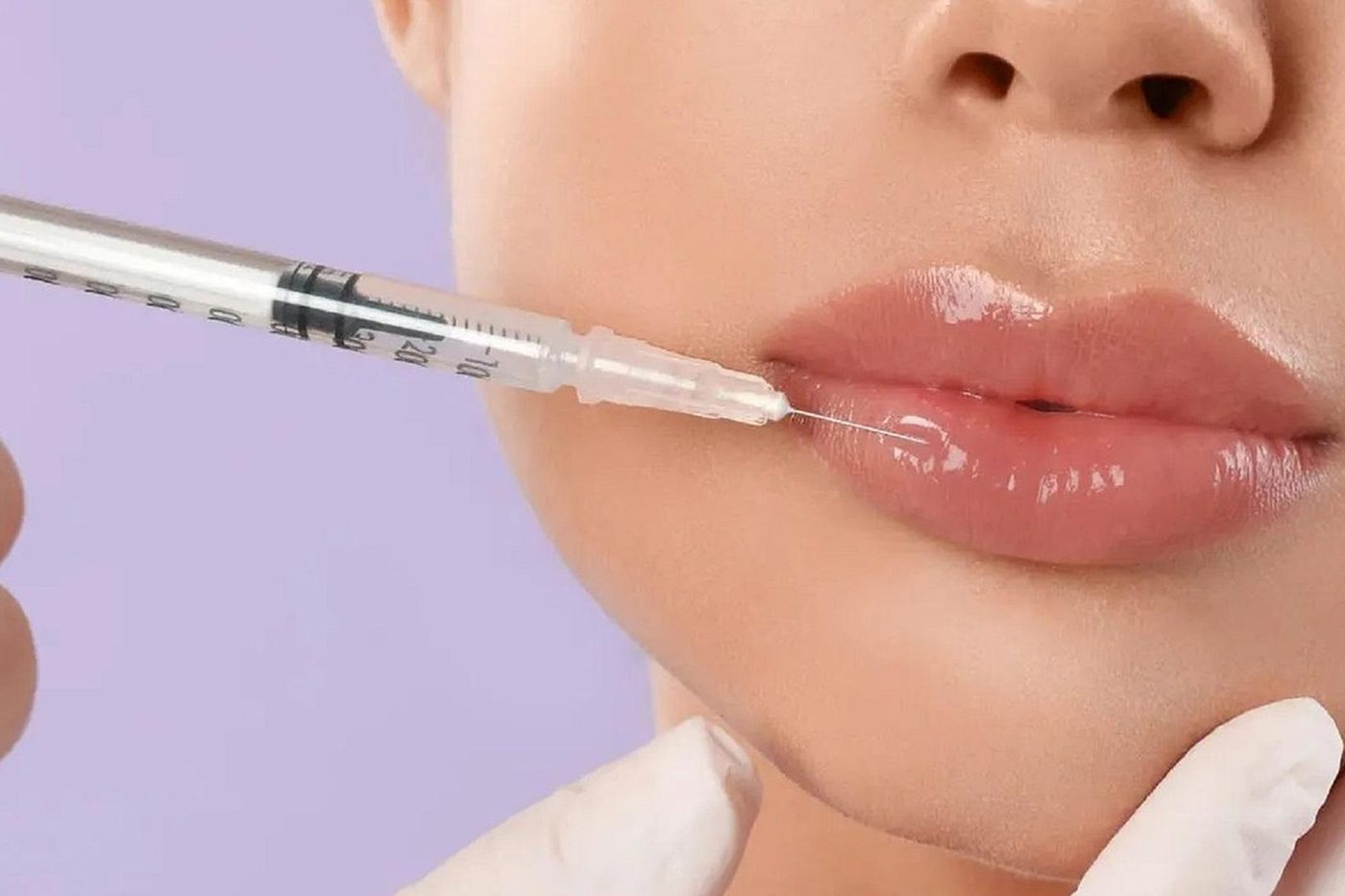
Hyalase
UK
Prescription-only medicineIts listed uses are to enhance permeation of subcutaneous or intramuscular injections, local anaesthetics and subcutaneous infusions, and to promote resorption of excess fluids and blood in the tissues.
Treatments and age limits question
isitbannedintheuk.co.uk · Answer card
Yes, for Hyalase. Hyalase, a hyaluronidase medicine, is listed as a prescription-only medicine. Dissolving cosmetic filler isn't one of its listed licensed uses, so using it that way is "off-label". The MHRA says prescribers can use medicines off-label, with extra responsibilities. The Department of Health describes hyaluronidase as a prescription medication that practitioners need timely access to, for responding to complications.
UK
Prescription-only medicineIts listed uses are to enhance permeation of subcutaneous or intramuscular injections, local anaesthetics and subcutaneous infusions, and to promote resorption of excess fluids and blood in the tissues.
MHRA guidance
Allowed, with extra responsibilitiesThe prescriber must be satisfied the use would better serve the patient than a licensed alternative, be satisfied there is a sufficient evidence base or experience of using the medicine, take responsibility for prescribing and overseeing the patient's care, keep records, and give the patient enough information about the proposed treatment.
Medicines law, UK-wide
Administration restrictedHyalase is a prescription-only medicine. Under the general rule in medicines law, it may only be injected by an "appropriate practitioner" (such as a doctor, a dentist, or an independent-prescribing nurse or pharmacist) acting within their legal powers, or by someone acting in accordance with that practitioner's directions. The regulations also contain some exemptions. Meeting this rule doesn't by itself mean someone is competent, insured or otherwise allowed to provide the treatment. Other professional and healthcare rules may apply.
Botulinum Toxin and Cosmetic Fillers (Children) Act 2021
Offence, with defencesInjecting filler for a cosmetic purpose into anyone under 18 in England is an offence, subject to statutory defences. These cover registered doctors, some regulated health professionals acting on a doctor's directions, and anyone who took reasonable steps to check age and reasonably believed the person was 18 or over.
Classification can depend on the product
Proposed changes in EnglandThe ASA doesn't treat dermal fillers as prescription-only medicines. In England, the draft regulations would restrict permanent (non-resorbable) face fillers to named healthcare professionals, and treat filler injected outside the face as cosmetic surgery, for doctors only. These are proposals.
A person may not parenterally administer (otherwise than to himself or herself) a prescription only medicine unless the person is— (a) an appropriate practitioner other than an approved country health professional; or (b) acting in accordance with the directions of such an appropriate practitioner.
It is an offence for a person to administer, in England, to another person (“A”)— (a) botulinum toxin, or (b) a subcutaneous, submucous or intradermal injection of a filler for a cosmetic purpose, where A is under the age of 18.
Whether a particular practitioner is trained or insured to treat filler complications. This page also isn't medical advice.
isitbannedintheuk.co.uk/rules/filler-dissolving-medicine/ · Last checked 2 November 2026
General information from official sources, checked on the date shown. Not legal or medical advice. © The Contract Studio UK Ltd
A square image sized for Instagram. Download it and post it from your salon's account.
Download image